Whey vs. Casein vs. Plant Protein: Which is Best for Your Fitness Goals?
Read our comprehensive guide on whey vs. casein vs. plant protein: which is best for your fitness goals?.
 Jeff·Aug 20, 2024·4 min read
Key Takeaways
- Whey protein absorbs fast and hits your muscles with BCAAs right after workouts, making it the top choice for muscle growth.
- Casein releases amino acids slowly over hours, so it's perfect before bed to keep your muscles fed while you sleep.
- Plant proteins like pea and rice can build just as much muscle as whey when you eat enough, plus they're easier on your stomach.
- For weight loss, casein keeps you full longer and stops late night cravings better than whey.
- If you're lactose intolerant or vegan, plant proteins are your best bet, but whey isolate also works if you can handle minimal lactose.
Get a Free AI Coach on WhatsApp
Ask questions, get workout plans, and track your progress — all from WhatsApp.
Message Your CoachThe market offers numerous protein supplements, but how do you decide between whey, casein, and plant protein? This article will dive deep into the specifics of each protein type, helping you understand which is best for your fitness goals.
Understanding the Basics of Protein Types
Proteins play an essential role in muscle growth, recovery, and overall health. However, not all proteins are created equal. Let's break down the fundamental differences:
Whey Protein
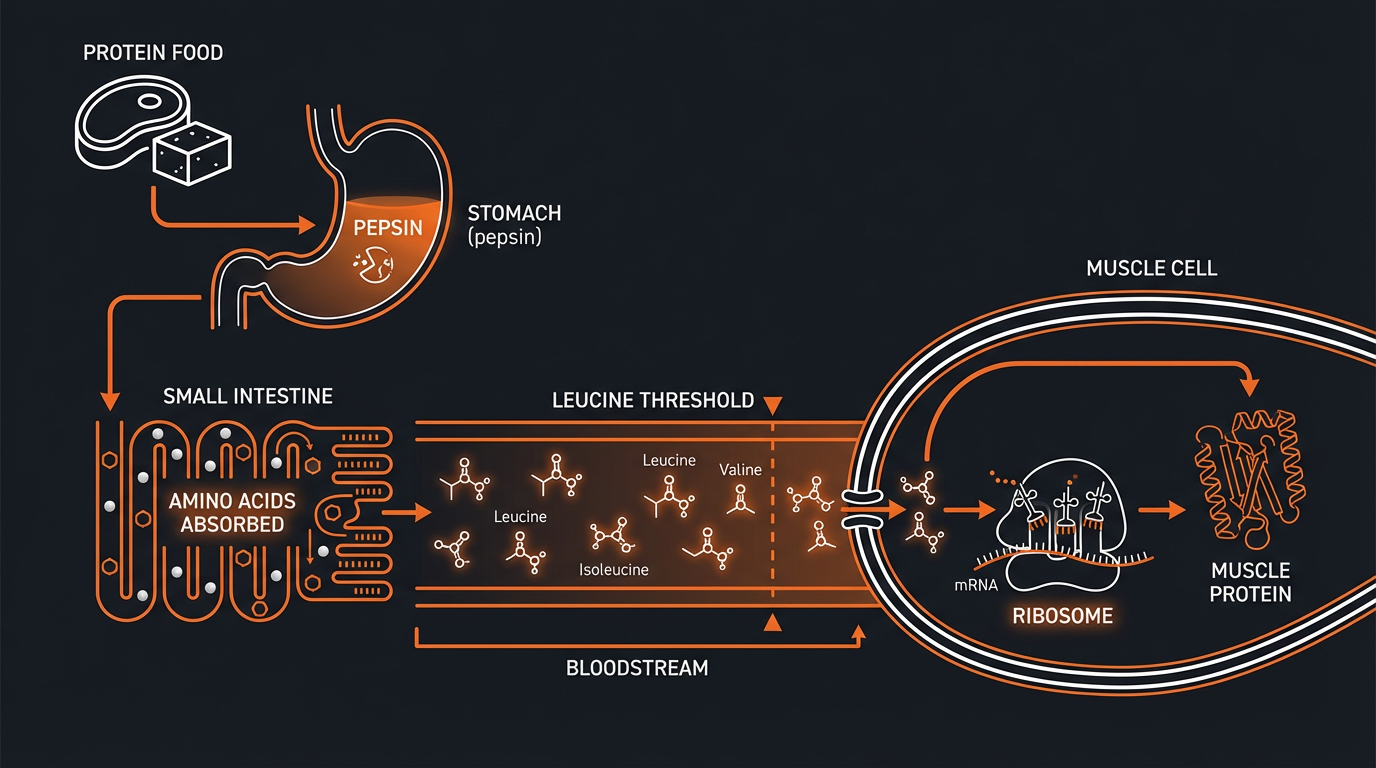
Whey protein is derived from milk and is known for its quick absorption rate. It's packed with essential amino acids and is particularly rich in branched-chain amino acids (BCAAs) like leucine, which is crucial for muscle protein synthesis.
According to a study in the Journal of the International Society of Sports Nutrition, whey protein can lead to significant gains in lean muscle mass when combined with resistance training.
Casein Protein
Also originating from milk, casein protein releases amino acids more slowly compared to whey, providing a steady supply of nutrients over a longer period. This makes it an excellent choice for sustained protein intake, especially before bedtime.
A study published in the American Journal of Clinical Nutrition found that consuming casein protein before sleep improved muscle protein synthesis overnight.
Plant Protein
Plant-based proteins, such as pea, rice, and hemp, are becoming increasingly popular due to their digestibility and eco-friendly production. While most plant proteins are not complete (missing one or more essential amino acids), combinations like pea and rice protein can provide a full amino acid profile.
Research in the Journal of the International Society of Sports Nutrition shows that plant proteins can be just as effective as whey in promoting muscle growth when consumed in adequate amounts.
Which Protein is Best for Muscle Gain?
If muscle growth is your primary goal, whey protein's fast absorption and high BCAA content make it an optimal choice. Its rapid digestibility means your muscles get nutrients quickly when they need them the most, such as post-workout.
- •Whey Protein: Ideal immediately after workouts.
- •Casein Protein: Suitable for sustained protein release, complementing whey intake.
- •Plant Protein: Great alternative for those with dairy allergies or vegan preferences.
Best Protein for Weight Loss
When it comes to weight loss, both whey and plant proteins can be highly effective. They help in preserving muscle mass while promoting fat loss. However, casein protein, with its slower absorption rate, can help control appetite by providing a longer feeling of fullness.
- •Consume whey protein as a meal replacement or snacks to manage cravings.
- •Integrate casein protein into your evening routine to prevent nighttime binge eating.
- •Opt for plant proteins for a cleaner, high-fiber option that also aids in digestion.
Concerns and Considerations
A few considerations might influence your choice:
- •Lactose Intolerance: Those sensitive to lactose should consider whey isolate (low lactose) or plant proteins.
- •Dietary Restrictions: Vegans and vegetarians should opt for plant-based proteins.
- •Allergies: Check for allergens in protein blends, especially in plant proteins, as they may contain multiple sources.
Incorporating Protein Supplements into Your Routine
Here are some practical tips for integrating these proteins into your daily regimen:
- •Pre-workout: Have whey protein for a quick energy boost and muscle support.
- •Post-workout: Consume whey protein within 30 minutes of exercising for optimal recovery.
- •Before Bed: Casein protein can serve as a nighttime snack to sustain muscle repair.
- •Meal Replacement: Plant protein shakes can be a balanced, nutritious meal substitute.
Conclusion
When it comes to choosing between whey, casein, and plant proteins, consider your fitness goals, dietary needs, and personal preferences. Each type offers unique benefits:
- •Whey Protein: Best for quick muscle gain and post-workout recovery.
- •Casein Protein: Ideal for sustained protein release and satiety.
- •Plant Protein: Excellent for vegans and those seeking a sustainable option.
Ultimately, the best protein for your fitness goals depends on your individual requirements. Ready to elevate your fitness journey? Explore different protein supplements and find what works best for you!
Frequently Asked Questions
- Is whey protein better than plant protein for building muscle?
- Slightly, yes. Whey has a more complete amino acid profile and higher leucine content, which triggers muscle protein synthesis more effectively. But if you're hitting your total daily protein target, plant protein gets the job done too.
- When should I take casein protein?
- Before bed is the classic recommendation because casein digests slowly over 6-8 hours. But honestly, if you eat a protein-rich dinner, you probably don't need a separate casein shake. It's a convenience thing, not a requirement.
- What's the best protein powder for beginners?
- A basic whey protein concentrate. It's the cheapest, tastes the best, and works as well as anything else. Don't get suckered into expensive hydrolyzed or isolate blends — the difference is marginal for 99% of lifters.
- Can you build muscle with just plant protein?
- Yes, but you may need slightly more total protein to compensate for lower leucine and digestibility. Mixing protein sources (like pea and rice) gives a more complete amino acid profile. Soy protein is the closest to whey in terms of muscle-building quality.