Strength Training for Weight Loss: What You Need to Know
Read our comprehensive guide on strength training for weight loss: what you need to know.
 Jeff·Aug 19, 2024·4 min read
Key Takeaways
- Muscle tissue burns way more calories than fat even when you're just sitting around doing nothing.
- Heavy compound lifts like deadlifts and squats keep your body burning extra calories for hours after you finish working out.
- You won't get bulky from lifting weights unless you train for years specifically to get huge and eat in a caloric surplus.
- Focus on the big three movements - bench press, squat, and deadlift - because they work multiple muscle groups and give you the best results.
- People who combine strength training with their weight loss keep the fat off long-term way better than people who only do cardio.
Get a Free AI Coach on WhatsApp
Ask questions, get workout plans, and track your progress — all from WhatsApp.
Message Your CoachMost people trying to lose weight default to cardio. They run, they bike, they spend an hour on the elliptical. And it works -- to a point. But if you're ignoring strength training, you're leaving results on the table.
Lifting weights builds muscle, raises your metabolism, and keeps the fat off long-term. Here's how.
Building Muscle Burns More Calories
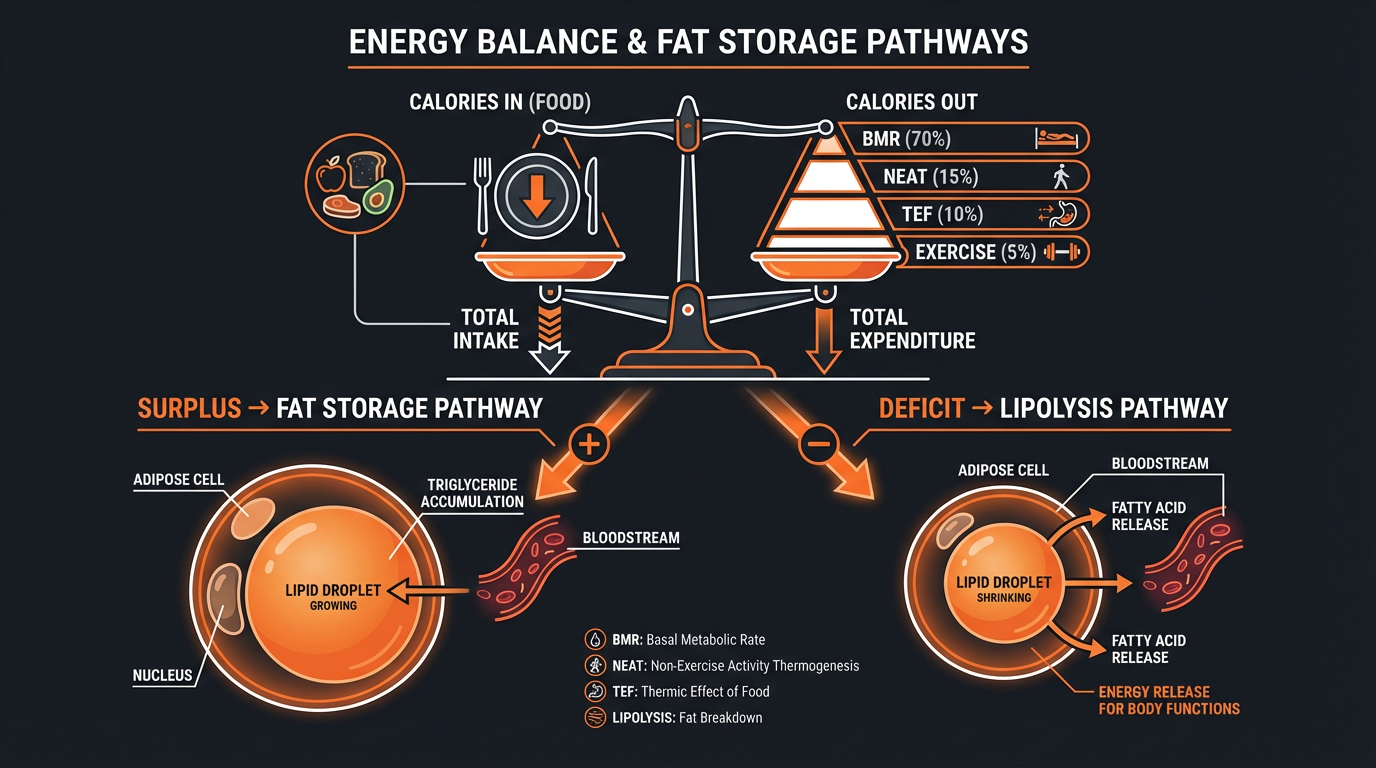
This is the simplest argument for lifting. Muscle tissue burns more calories at rest than fat tissue does. The more muscle you carry, the higher your resting metabolic rate. A 2015 study in the *Journal of Sports Science and Medicine* found that muscle mass accounts for up to 20% of your total daily caloric expenditure. That's calories burned while sitting on your couch.
The Afterburn Effect
After a hard strength session, your body keeps burning calories for hours. This is called excess post-exercise oxygen consumption (EPOC) -- your body working overtime to recover. Heavy compound movements like deadlifts and squats produce the strongest afterburn effect. Steady-state cardio doesn't come close.
Setting Up Your Routine
You don't need anything fancy. Stick to the fundamentals:
- •Start with a Warm-Up: 5-10 minutes of light cardio to get blood flowing.
- •Focus on Compound Movements: Bench presses, squats, and deadlifts hit multiple muscle groups at once. These give you the most bang for your buck.
- •Maintain Proper Form: Bad form leads to injuries. Learn the movements correctly before adding weight.
- •Incorporate Progressive Overload: Add weight or reps over time. Your body adapts, so you need to keep pushing.
- •Allow for Recovery: Muscles grow during rest, not during the workout itself.
- •Use proper nutrition to fuel your workouts.
- •Stay hydrated and get enough sleep for optimal recovery.
- •Mix up your routine to prevent plateaus by adding different exercises or varying weights.
Addressing Common Concerns
Will I Get Too Bulky?
No. Getting huge requires years of dedicated training, a caloric surplus, and often favorable genetics. Moderate strength training will make you look leaner and more defined, not bulky. This fear keeps too many people away from the barbell.
Can I Combine Cardio and Strength Training?
Yes, and you probably should. Alternate between lifting days and cardio days, or do both in the same session (lift first, cardio after). Find a split that fits your schedule and that you'll actually stick with.
What the Research Says
Strength coach Jordan Syatt puts it well: "Strength training not only helps to shed pounds but also plays a key role in maintaining muscle mass, which is essential for keeping weight off in the long run." The research backs this up -- people who include strength training in their routines keep weight off more successfully than those who only do cardio.
The Bottom Line
If you want to lose weight and actually keep it off, you need to lift. Cardio alone won't cut it. Building muscle raises your metabolism, the afterburn effect keeps calories burning after you leave the gym, and you'll look better for it. Stop thinking of the weight room as just for bodybuilders. It's for anyone who wants to change their body composition for good.
Frequently Asked Questions
- Is lifting weights better than cardio for fat loss?
- For long-term fat loss, yes. Weight training builds muscle, which raises your resting metabolic rate so you burn more calories 24/7. Cardio burns more calories per session but doesn't change your metabolism. The best approach combines both with a calorie deficit.
- How many times a week should I lift to lose weight?
- Three to four times per week is the sweet spot. Full-body or upper/lower splits give you the most bang for your buck. More important than training frequency is maintaining a calorie deficit and keeping protein high to preserve muscle while losing fat.
- Why does the scale go up when I start lifting weights?
- Water retention from muscle inflammation and actual muscle tissue growth add weight while you're simultaneously losing fat. This is normal in the first 4-6 weeks. Use the mirror, measurements, and how clothes fit as better progress indicators than the scale alone.
- What should I eat when lifting for weight loss?
- Create a 300-500 calorie deficit, eat at least 1g of protein per pound of bodyweight, and fill the rest with carbs and fats. High protein preserves your muscle so the weight you lose comes primarily from fat, not muscle.