Push-Up Board: How This Simple Tool Can Revolutionize Your Workouts
Read our comprehensive guide on push-up board: how this simple tool can revolutionize your workouts.
 Jeff·Aug 20, 2024·4 min read
Key Takeaways
- Push-up boards let you hit different muscle groups by changing hand positions instead of doing boring regular push-ups all the time.
- The board guides your hand placement so you maintain proper form and avoid injuries that happen when you do push-ups wrong.
- You can throw this thing in a bag and take it anywhere since it's lightweight and compact.
- Start with basic positions first, then work your way up to narrow grip for triceps and wide grip for chest.
- Most people should use it 2-3 times per week and always give your muscles time to recover between sessions.
Get a Free AI Coach on WhatsApp
Ask questions, get workout plans, and track your progress — all from WhatsApp.
Message Your CoachIf you're looking to take your fitness routine to the next level, incorporating a push-up board could be the game-changer you need. This relatively simple tool might seem modest at first glance, but it holds the potential to revolutionize your workouts, providing both beginners and seasoned athletes with a multitude of benefits.
Understanding the Push-Up Board
The push-up board is designed to enhance your bodyweight training routine by offering a variety of positions to perform push-ups. These various placements target different muscle groups, ensuring a more comprehensive workout. Unlike traditional push-ups, which can quickly become monotonous, a push-up board spices things up by introducing new angles and challenges.
Benefits of Using a Push-Up Board
From improved muscle activation to better form, there are several reasons why a push-up board could be an invaluable addition to your fitness arsenal:
Targeted Muscle Groups:
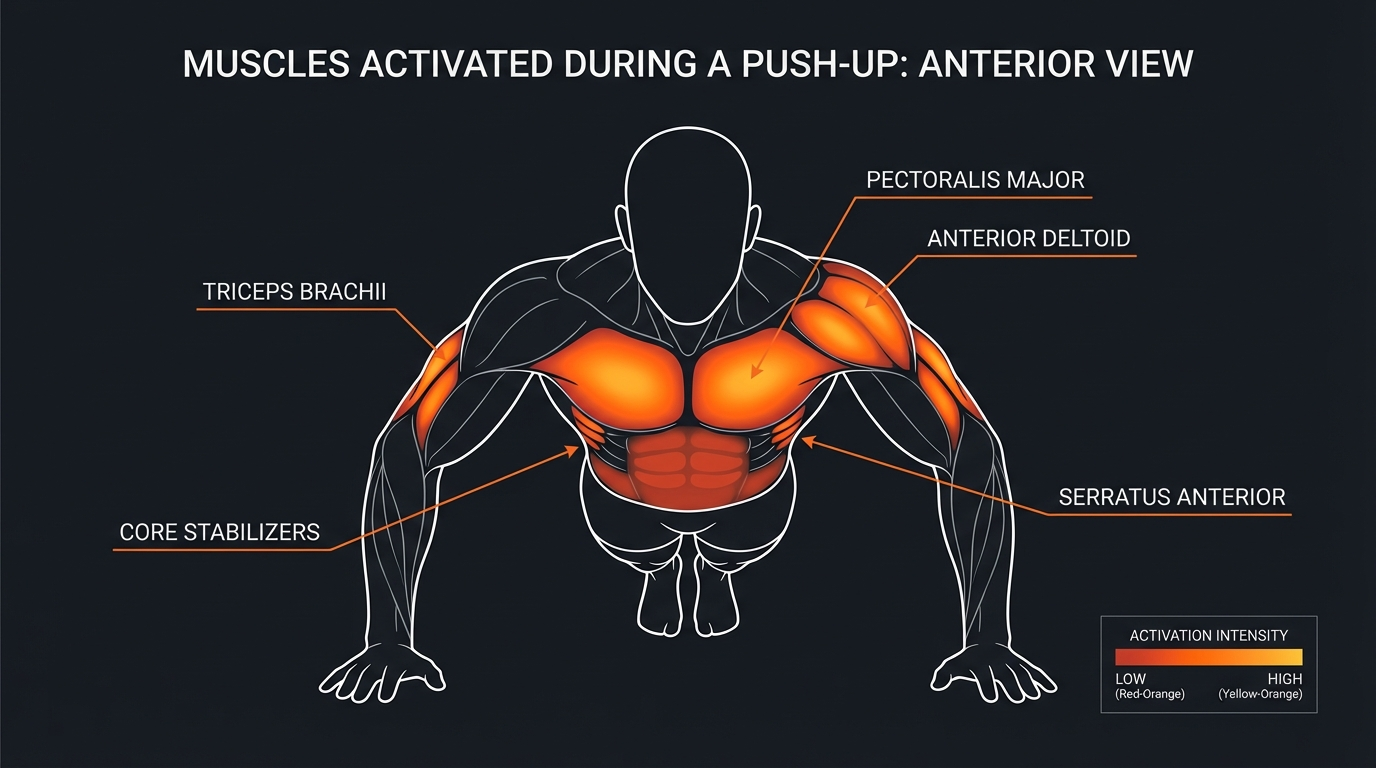
The push-up board allows you to perform push-ups in multiple positions, targeting different muscle groups each time. By changing your hand placement, you can target your chest, triceps, shoulders, and back, making for a comprehensive upper-body workout.
Improved Form and Reduced Risk of Injury:
Many people unknowingly perform push-ups incorrectly, which can lead to strain and injuries. A push-up board guides your hand placement, helping maintain proper form and reducing the risk of injuries. According to the American Council on Exercise, maintaining correct form is crucial for maximizing the benefits of any exercise while minimizing the risk of injury.
Convenience and Portability:
One of the most significant advantages of a push-up board is its portability. This compact, lightweight tool can be easily carried anywhere, allowing you to maintain your workout routine regardless of location. Whether you're at home, at the gym, or traveling, a push-up board ensures you never miss a session.
Versatility:
A push-up board offers a variety of workout options beyond just push-ups. Some boards come equipped with resistance bands or can be used for exercises such as planks and dips, providing a full-body workout that goes beyond upper-body routines.
How to Use a Push-Up Board Effectively
Step 1: Choose the Right Position:
When you first start using a push-up board, begin with the most comfortable and straightforward positions. This typically means placing your hands in a neutral position to mimic standard push-ups.
Step 2: Gradually Introduce Variety:
Once you're comfortable with the basic positions, start incorporating different hand placements. For example:
- •Narrow Grip: Focuses on the triceps.
- •Wide Grip: Emphasizes the chest muscles.
- •Incline Push-Ups: Targets the lower chest and triceps.
- •Decline Push-Ups: Engages the upper chest and shoulders.
Step 3: Increase Intensity Gradually:
As with any workout tool, it's crucial to start slow and gradually increase the intensity. Initially, aim for fewer reps and sets, focusing on mastering the form. As your strength and endurance improve, you can add more repetitions and explore more challenging hand placements.
Addressing Common Questions
Many fitness enthusiasts have questions and concerns about incorporating a new tool into their workouts. Here are answers to some common inquiries:
- •Is a push-up board suitable for beginners? Absolutely. The board offers guided positions that can help beginners maintain proper form and prevent injuries.
- •Can I use a push-up board if I have joint issues? While the board can potentially reduce strain by promoting correct form, it's always best to consult with a medical professional before starting any new exercise regimen, especially if you have pre-existing conditions.
- •How often should I use the push-up board? For most people, incorporating the push-up board into their workout routine 2-3 times a week is sufficient. Always listen to your body and allow ample time for recovery.
Conclusion: Take Your Workout to the Next Level
The push-up board is more than just a simple tool; it's a versatile, efficient, and effective addition to any fitness routine. By allowing you to target various muscle groups and ensuring proper form, the push-up board can indeed revolutionize your workouts. Ready to give it a try? Start integrating a push-up board into your fitness regimen and experience the transformative impact it can have.
Further Learning
Frequently Asked Questions
- Are push-up boards worth buying?
- For most people, no. A push-up board is basically a color-coded hand placement guide that costs $20-40 for something you could do with tape on the floor. That said, beginners who struggle with hand placement and workout variety might find the visual cues helpful for learning different push-up positions.
- Do push-up boards make push-ups harder?
- Slightly. The raised handles increase your range of motion by a couple inches, which means more chest stretch at the bottom. The handles also put your wrists in a neutral position, which is actually more comfortable for people with wrist pain during regular push-ups.
- What are the different positions on a push-up board?
- Most boards have 4-8 color-coded positions targeting chest (wide), triceps (narrow), shoulders (angled forward), and back (wide/low). These are just variations you can do without a board by adjusting your hand width and angle, but the board makes switching between them faster.
- What's better, push-up handles or a push-up board?
- Simple push-up handles or parallettes are more versatile and usually cheaper. They give you the same wrist relief and extra range of motion without locking you into predetermined positions. Plus you can use them for L-sits, dips, and other exercises.