Pull-Up Bar Exercises: Full Body Workout Using Just a Bar
Pull-up bar exercises deliver a full-body workout from one piece of kit. Hit your back, core, and arms while burning more calories than isolation moves.
 Jeff·Aug 20, 2024·3 min read
Key Takeaways
- You can get a complete full body workout using nothing but a pull-up bar by hitting multiple muscle groups with compound movements.
- Pull-ups work your back and biceps while chin-ups with an underhand grip hit your biceps harder than the standard overhand version.
- Hanging leg raises from the bar will torch your core and build serious ab strength.
- Advanced moves like muscle-ups and archer pull-ups will challenge your coordination and hit each side of your back independently.
- Always warm up properly and focus on perfect form over trying to bang out sloppy reps that could get you injured.
Get This on WhatsApp
Get a quick summary and link sent straight to your WhatsApp.
Send Me This ArticleIn the realm of fitness, versatility is key. Pull-up bar exercises offer a full body workout using just one piece of equipment. Whether you’re targeting muscle gain, strength endurance, or improving overall fitness, a pull-up bar can be your best friend.
The Benefits of Pull-Up Bar Exercises
Pull-up bar exercises offer numerous benefits, making them a staple in many workout routines. One of the primary advantages is the capability to work multiple muscle groups simultaneously. From strengthening your back to activating core muscles and even engaging your arms, a pull-up bar is an all-in-one fitness solution. According to a study by the American Council on Exercise (ACE), compound exercises like pull-ups can burn up to 30% more calories than isolated exercises.
Getting Started: Essential Pull-Up Bar Exercises
If you're new to pull-up bar exercises, starting with foundational movements is crucial to avoid injury and maximize gains. Here are three essential exercises you should incorporate:
1. Standard Pull-Ups
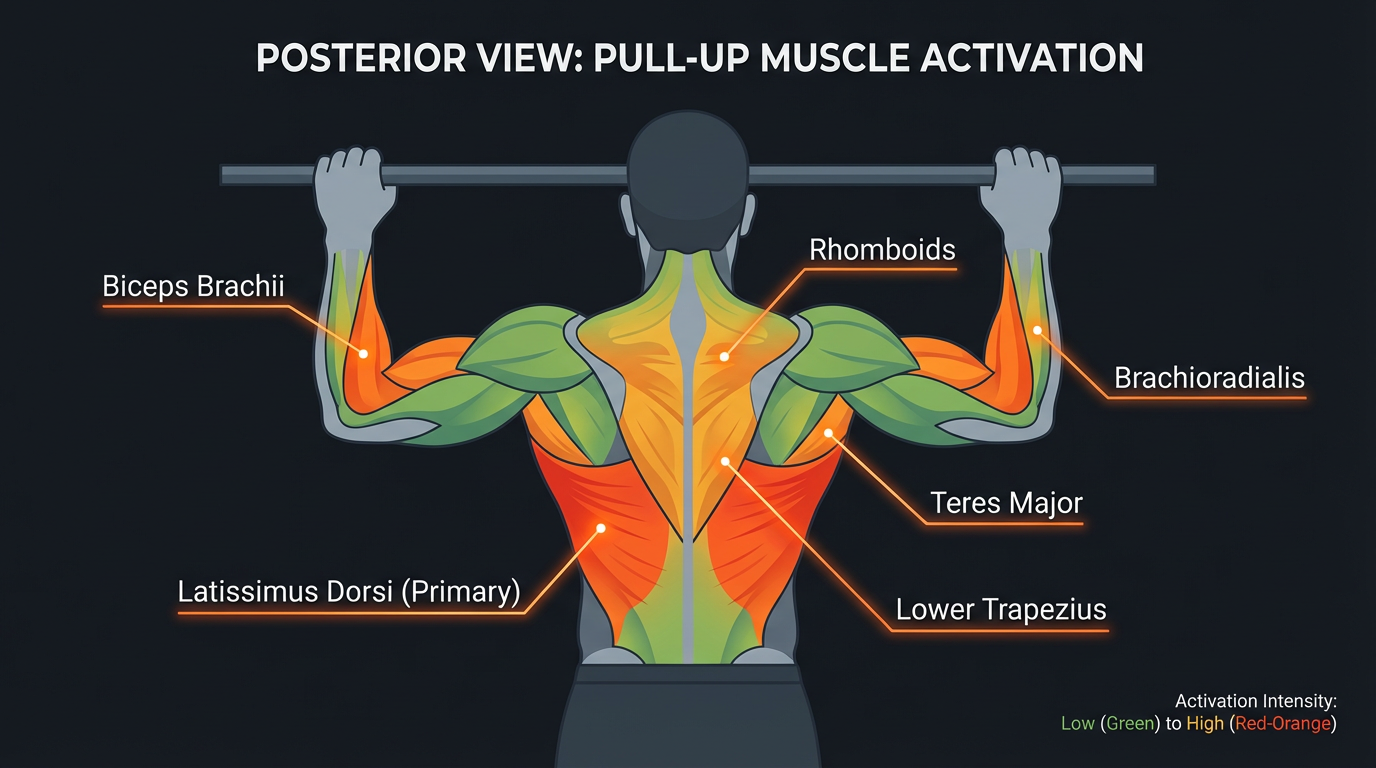
Standard pull-ups primarily target the upper back and biceps. Here’s a step-by-step guide:
- •Grip the bar with hands slightly wider than shoulder-width apart.
- •Hang freely with arms fully extended.
- •Pull yourself up until your chin clears the bar.
- •Lower yourself back down with control.
2. Chin-Ups
Chin-ups are similar to pull-ups but involve an underhand grip, which emphasizes the biceps more. Follow these steps:
- •Grab the bar with your hands shoulder-width apart and palms facing you.
- •Hang at arm's length.
- •Pull your chest to the bar.
- •Lower yourself back to the starting position.
3. Hanging Leg Raises
Hanging leg raises are excellent for core strength. To perform them:
- •Grip the bar with an overhand grip.
- •Hang with your legs together.
- •Raise your legs until they are parallel to the ground.
- •Slowly lower them back down.
Advanced Pull-Up Bar Exercises for a Full Body Workout
Once you’ve mastered the basics, you can transition to more advanced movements to target different muscle groups and further challenge your body:
1. Muscle-Ups
Muscle-ups combine a pull-up and a dip, demanding upper body strength and coordination:
- •Start with a pull-up but continue pulling past the bar.
- •Transition into a dip at the top of the motion.
- •Push your body above the bar.
- •Lower yourself back to the starting position.
2. Archer Pull-Ups
These target each side of the back more intensely, improving unilateral strength:
- •Grab the bar with a wide grip.
- •Pull yourself towards one hand while keeping the other arm straight.
- •Alternate sides with each repetition.
Safety Tips and Common Questions
While pull-up bar exercises offer numerous benefits, it’s essential to prioritize safety to prevent injuries. Here are a few tips:
- •Warm-up: Always warm up your muscles with light cardio or dynamic stretching.
- •Proper Form: Execute each movement with correct form to avoid unnecessary strain.
- •Progress Gradually: Start with assisted variations if needed and gradually increase difficulty.
Q: "Can pull-up bar exercises help with weight loss?"
A: Yes, because they are compound movements that engage multiple muscle groups, they can be highly effective for weight loss when combined with a balanced diet and overall healthy lifestyle.
Conclusion and Call-to-Action
Incorporating pull-up bar exercises into your fitness routine can offer a full body workout using just a bar. Whether you're at home or the gym, a pull-up bar provides endless possibilities to enhance your strength and overall fitness. Start incorporating these exercises today to reap the benefits.
Are you ready to elevate your fitness routine? Grab a pull-up bar and challenge yourself with these effective workouts. For more fitness tips, be sure to subscribe to our newsletter and stay updated with the latest in health and wellness.
Frequently Asked Questions
- Can you get a full body workout with just a pull-up bar?
- Mostly. A pull-up bar covers your back, biceps, and core extremely well. You can also do hanging leg raises for abs and even use it for inverted rows. You'll need to add push-ups and bodyweight squats/lunges for a truly complete full-body workout, but the bar handles the pulling half perfectly.
- What muscles do pull-up bar exercises work?
- Pull-ups and chin-ups hit your lats, rhomboids, rear delts, traps, and biceps. Hanging leg raises work your entire core. Different grip widths and hand positions shift the emphasis between muscles, so vary your grip regularly.
- What's the best doorway pull-up bar?
- Look for a bar that uses a leverage mount rather than screws, supports at least 300 pounds, and has foam padding where it contacts the door frame. Iron Gym and ProsourceFit are popular budget options. Just make sure your door frame is solid wood, not cheap hollow trim.
- How often can you train on a pull-up bar?
- You can do pull-up bar work 3-5 days per week depending on intensity. If you're going to failure, 3 days with rest between is better. If you're doing submaximal greasing-the-groove style training, daily work is fine since you're not accumulating much fatigue per session.