Pull-Up Alternatives: 15 Exercises for Back Strength Without a Bar
Read our comprehensive guide on pull-up alternatives: 15 exercises for back strength without a bar.
 Jeff·Aug 20, 2024·4 min read
Key Takeaways
- Inverted rows using a sturdy table perfectly mimic pull-up motion and hit the same muscle groups.
- Resistance bands are clutch for portable back workouts - band pull-aparts and seated rows will torch your upper back anywhere.
- Superman holds and reverse snow angels require zero equipment and will strengthen your entire posterior chain.
- Fill up water bottles to create makeshift dumbbells for bent-over rows when you don't have real weights.
- TRX suspension trainers let you adjust difficulty by changing your body angle, making rows scalable for any strength level.
Get a Free AI Coach on WhatsApp
Ask questions, get workout plans, and track your progress — all from WhatsApp.
Message Your CoachBuilding a strong back isn't confined to just one exercise. Though pull-ups are famous for their back-strengthening benefits, not everyone has access to a bar. Fortunately, there are numerous pull-up alternatives that can effectively engage and strengthen your back muscles without the need for a pull-up bar. Let's dive into these exercises and discover how you can build a powerful back from anywhere.
1. The Power of Rows
Rows are exceptional pull-up alternatives for targeting the back muscles. They come in various forms, each offering unique benefits.
Inverted Rows
All you need is a sturdy table or a dip bar. Lie underneath and pull your chest towards the table’s edge. This mimics the motion of a pull-up and engages similar muscle groups.
Dumbbell Rows
A pair of dumbbells can work wonders. Bend at your hips and knees, keep your back straight, and pull the weights towards your torso. This exercise bolsters your lats, traps, and rhomboids.
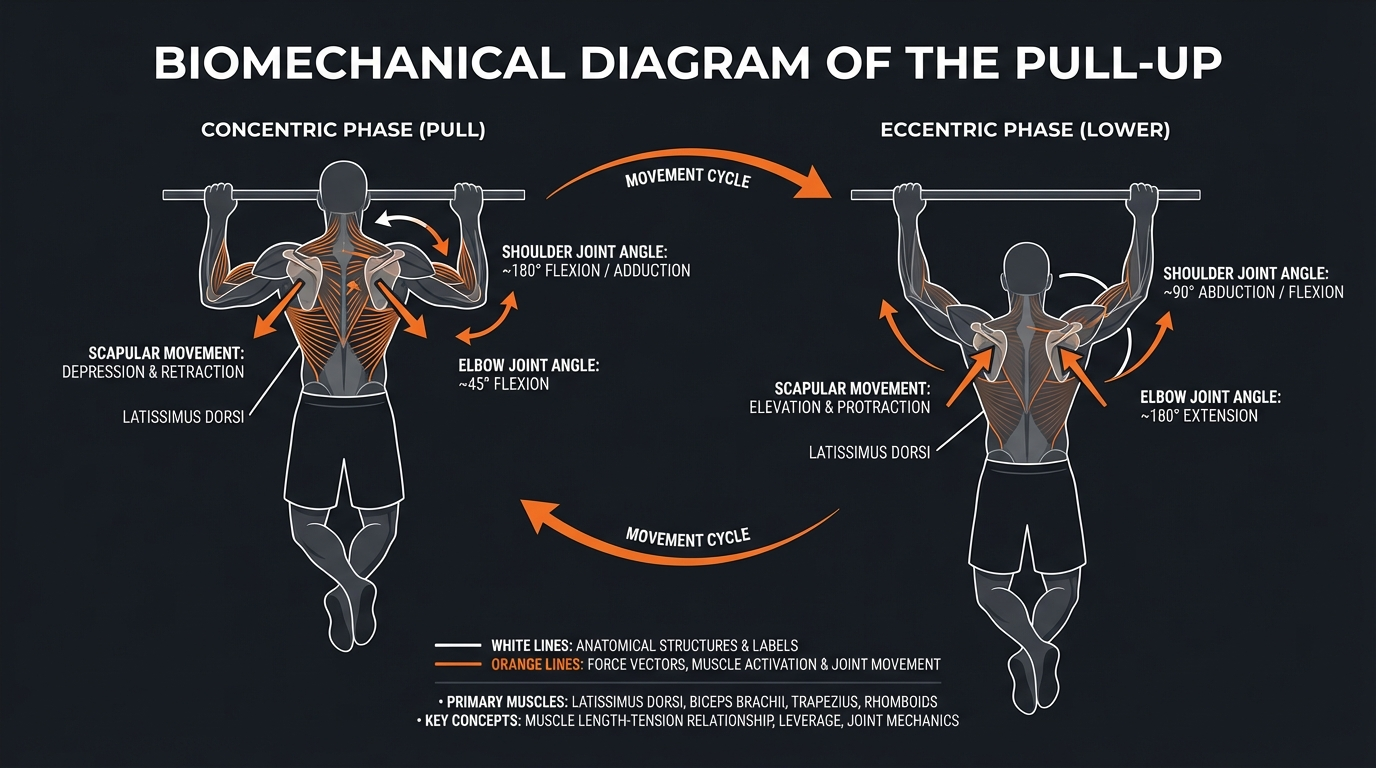
2. Resistance Band Workouts
Resistance bands are versatile and portable, making them great for back exercises without a bar.
Band Pull-Aparts
Hold a resistance band at shoulder height. With arms extended, pull the band apart by moving your hands outward, focusing on squeezing your shoulder blades together.
Seated Band Rows
Sit on the floor with legs straight. Loop the band around your feet and pull towards your waist. This simulates rowing and effectively challenges your upper back.
3. Bodyweight Exercises
Bodyweight exercises provide convenience and adaptability, requiring no equipment.
Reverse Snow Angels
Lie on your stomach, lift your chest slightly, and move your arms in a snow angel motion. This engages the entire back, especially the upper region.
Superman Exercise
Lie face down and simultaneously lift your arms, chest, and legs off the ground. Hold for a few seconds and then relax. This simple exercise strengthens the lower and upper back.
4. Utilizing Household Items
Everyday items can substitute for gym equipment, offering creative and effective back workouts.
Water Bottle Rows
Fill two water bottles and use them as weights for row exercises. Bend forward at the hips, keep your back straight, and row the bottles towards your abdomen.
Tabletop Pulls
Similar to inverted rows, lie under a sturdy table, grab the edge, and pull your chest up. This is a practical way to mimic pull-ups at home.
5. TRX and Suspension Training
Suspension trainers provide an excellent alternative to a pull-up bar, offering adjustable resistance and angles.
TRX Rows
Using a TRX system, lean back with your feet planted and pull your chest towards the handles. Adjust your body angle for varied resistance levels to suit your strength.
Conclusion
Building a strong back doesn’t require a pull-up bar. With these pull-up alternatives, you can strengthen your back muscles effectively using readily available resources and versatile equipment. Incorporating these exercises into your routine can lead to significant improvements in back strength and overall upper body fitness.
Whether you're at home, traveling, or simply looking for variety in your workouts, these exercises offer a practical solution. Try integrating a few into your routine and observe the transformation in your back strength.
- •Consistency is key: Regular practice yields the best results.
- •Start light: Gradually increase resistance and intensity.
- •Focus on form: Proper technique prevents injuries and maximizes benefits.
Remember, the goal is to stay active and challenge your muscles in diverse ways. If you have any specific back issues or health concerns, consider consulting a fitness professional or physical therapist for personalized advice.
Ready to build a stronger back without a pull-up bar? Join our fitness community and get more tips on versatile workouts for every setting!
Frequently Asked Questions
- What is the best pull-up alternative at home?
- Inverted rows using a sturdy table are the closest thing to a pull-up you can do at home with no equipment. Get under the table, grab the edge, and row your chest up to it. Same pulling pattern, adjustable difficulty by changing your foot position.
- Can you build a wide back without pull-ups?
- Yes. Dumbbell rows, band pull-aparts, and inverted rows all hit the lats and upper back effectively. You won't miss out on back development as long as you're doing some form of horizontal or vertical pulling with progressive resistance.
- Are lat pulldowns as good as pull-ups?
- They're close. Lat pulldowns let you train the same muscles with more precise load control, which is actually better for hypertrophy in many cases. Pull-ups have a slight edge for functional strength and core activation, but for pure muscle building, pulldowns are just as effective.
- What exercises replace pull-ups at the gym?
- Lat pulldowns, cable rows, and single-arm dumbbell rows are your best bets. Use lat pulldowns for the vertical pull pattern, and rows for horizontal pulling. Hit both and your back won't know the difference.