One Push-Up Max to 100: A 12-Week Progressive Training Plan
Read our comprehensive guide on one push-up max to 100: a 12-week progressive training plan.
 Jeff·Aug 20, 2024·3 min read
Key Takeaways
- Progressive overload is the key to getting from 1 to 100 push-ups by gradually increasing reps each week over 12 weeks.
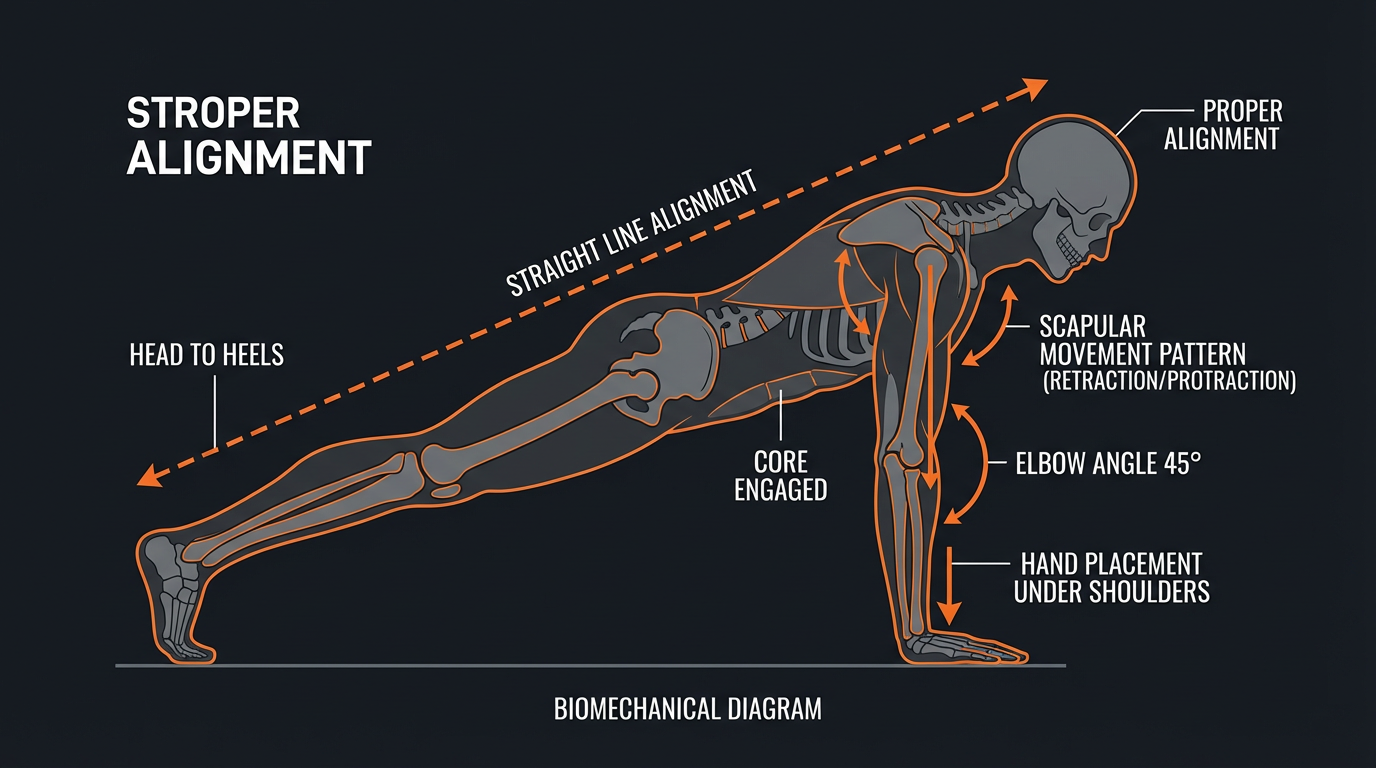
- Start with 3 sets of max reps for weeks 1-2 to nail your form, then add 2-3 more push-ups per set each week through week 6.
- Train push-ups 3-4 days per week with rest days between sessions to avoid overtraining and let your muscles recover.
- If you can't do regular push-ups yet, start with knee push-ups or incline push-ups until you build enough strength.
- Add supporting exercises like planks and tricep dips to strengthen the muscles that help with push-ups.
Get a Free AI Coach on WhatsApp
Ask questions, get workout plans, and track your progress — all from WhatsApp.
Message Your CoachHave you ever marveled at those fitness enthusiasts who can effortlessly drop and execute 100 push-ups? If so, you're not alone. With the right dedication and structured plan, you too can join the elite group. Welcome to our transformative journey: One Push-Up Max to 100: A 12-Week Progressive Training Plan.
Why Push-Ups are Essential for Fitness
Push-ups are one of the most effective bodyweight exercises, engaging multiple muscle groups such as the chest, shoulders, triceps, and core. According to the American Council on Exercise, push-ups can help improve your overall strength, stability, and endurance. The versatility and simplicity of push-ups make them a valuable addition to any fitness regimen.
The Science Behind Progressive Overload
The journey from a single push-up to hitting the grand 100 requires a principle known as progressive overload. This concept involves gradually increasing the intensity of your workouts to continually challenge your muscles. By following a structured plan, you allow your muscles to adapt and grow stronger over time. Studies have shown that progressive overload is crucial for muscle growth and strength gains.
The 12-Week Progressive Training Plan
Our 12-week progressive training plan has been designed by fitness experts, ensuring you make steady progress each week. Here's a breakdown of what to expect:
- •Weeks 1-2: Foundation Building
Focus: Perfecting Form
- •Reps: 3 sets of as many push-ups as possible (AMRAP), resting 2 minutes between sets.
- •Goal: Establish a baseline and ensure proper push-up technique.
- •Weeks 3-6: Volume Increase
Focus: Increasing Reps Gradually
- •Reps: Add 2-3 push-ups to each set from your baseline each week.
- •Goal: Build muscle endurance and strength.
- •Weeks 7-10: Intensification
Focus: Improving Stamina
- •Reps: Perform 4-5 sets, increasing the total reps by 10% each week.
- •Goal: Push your muscular capacity to new limits.
- •Weeks 11-12: Peak Performance
Focus: Mastery and Maintenance
- •Reps: Achieve 100 push-ups with minimum rest intervals. Maintain the progress by revisiting previous weeks as needed.
- •Goal: Solidify your achievement and maintain muscle endurance.
Common Questions and Concerns
It's normal to have questions before embarking on such a challenge. Here are some frequently asked questions:
What if I can't do a single push-up?
No worries! Start with modified push-ups (kneeling) or incline push-ups (hands on a raised surface). Progress to standard push-ups as your strength improves.
How often should I train push-ups?
Aim for 3-4 days a week, allowing ample rest between sessions for muscle recovery. Overtraining can lead to injuries and hinder progress.
Can I supplement with other exercises?
Absolutely. Incorporate exercises that strengthen supporting muscles, such as planks for the core and tricep dips for the arms. Consistency and variety will amplify your results.
Conclusion and Call-to-Action
Embarking on the One Push-Up Max to 100: A 12-Week Progressive Training Plan is more than just a physical challenge; it's a testament to your dedication and resilience. Remember, the key is consistency and incremental progress. Ready to transform your fitness level? Start your 12-week journey today and witness remarkable changes in your strength and endurance.
If you found this guide helpful, share it with friends or fellow fitness enthusiasts. Let's build a stronger, healthier community, one push-up at a time!
Frequently Asked Questions
- Is it realistic to go from 1 push-up to 100 in 12 weeks?
- It's ambitious but possible for most healthy adults. The key is progressive overload: adding a few reps each session and training 4-5 days per week. You won't hit 100 strict consecutive push-ups in 12 weeks, but 100 total across multiple sets is very achievable.
- What's the best way to increase push-up numbers fast?
- Do multiple sets throughout the day (grease the groove method) and never go to complete failure. If your max is 10, do sets of 6-7 five times throughout the day. This builds volume and neuromuscular efficiency without excessive fatigue.
- Should you do push-ups every day to hit 100?
- Training 5 days per week with 2 rest days works better than daily training for most people. Your muscles need recovery time to get stronger. On rest days, you can do light mobility work but skip the push-ups entirely.
- How do you avoid wrist pain from high-volume push-ups?
- Use push-up handles or make fists on a padded surface to keep your wrists neutral. Stretch your wrists and forearms before and after each session. If your wrists hurt, that's your body telling you to adjust hand position or reduce volume temporarily.
- What happens when you get stuck at a certain push-up number?
- Change the stimulus. Add a harder variation (diamond or decline push-ups) for a week to build extra strength, then go back to regular push-ups. You can also try doing more sets of fewer reps rather than fewer sets of more reps. Plateaus usually break within 1-2 weeks with a new approach.