L-Sit Pull-Ups: Core Strength Meets Back Power in One Exercise
Read our comprehensive guide on l-sit pull-ups: core strength meets back power in one exercise.
 Jeff·Aug 20, 2024·3 min read
Key Takeaways
- L-Sit pull-ups combine the core challenge of holding your legs straight out with regular pull-ups for a killer compound movement.
- You hang from the bar, lift your legs to form an L-shape with your body, then pull yourself up while keeping that position the entire time.
- This exercise hammers your abs way harder than regular pull-ups since you're fighting to keep those legs up throughout the movement.
- Your lats and back muscles work overtime because the L-sit position makes the pull-up significantly more challenging.
- Start with bent knees or just practice holding the L-sit position first if you can't do the full movement right away.
Get a Free AI Coach on WhatsApp
Ask questions, get workout plans, and track your progress — all from WhatsApp.
Message Your CoachCombining strength and finesse, L-Sit Pull-Ups have become a mainstay for fitness enthusiasts seeking to optimize both core and upper body power. This exercise not only targets multiple muscle groups but also serves as an efficient way to assess and improve overall functional fitness. Read on to discover why L-Sit Pull-Ups should be a part of your workout regimen.
What Makes L-Sit Pull-Ups Special?
At first glance, L-Sit Pull-Ups may look like an advanced gymnastic move reserved for high-level athletes. However, with a bit of practice and dedication, this exercise can be accessible to many. Combining the dynamic nature of pull-ups with the static challenge of an L-Sit, this exercise effectively fuses core strength and back power into one powerful movement.
- •Engages multiple muscle groups simultaneously.
- •Improves posture and spinal alignment.
- •Enhances grip and forearm strength.
*According to a study published in the Journal of Strength and Conditioning Research (2020)*, exercises that engage multiple muscle groups, like L-Sit Pull-Ups, significantly improve muscle coordination and synergy.
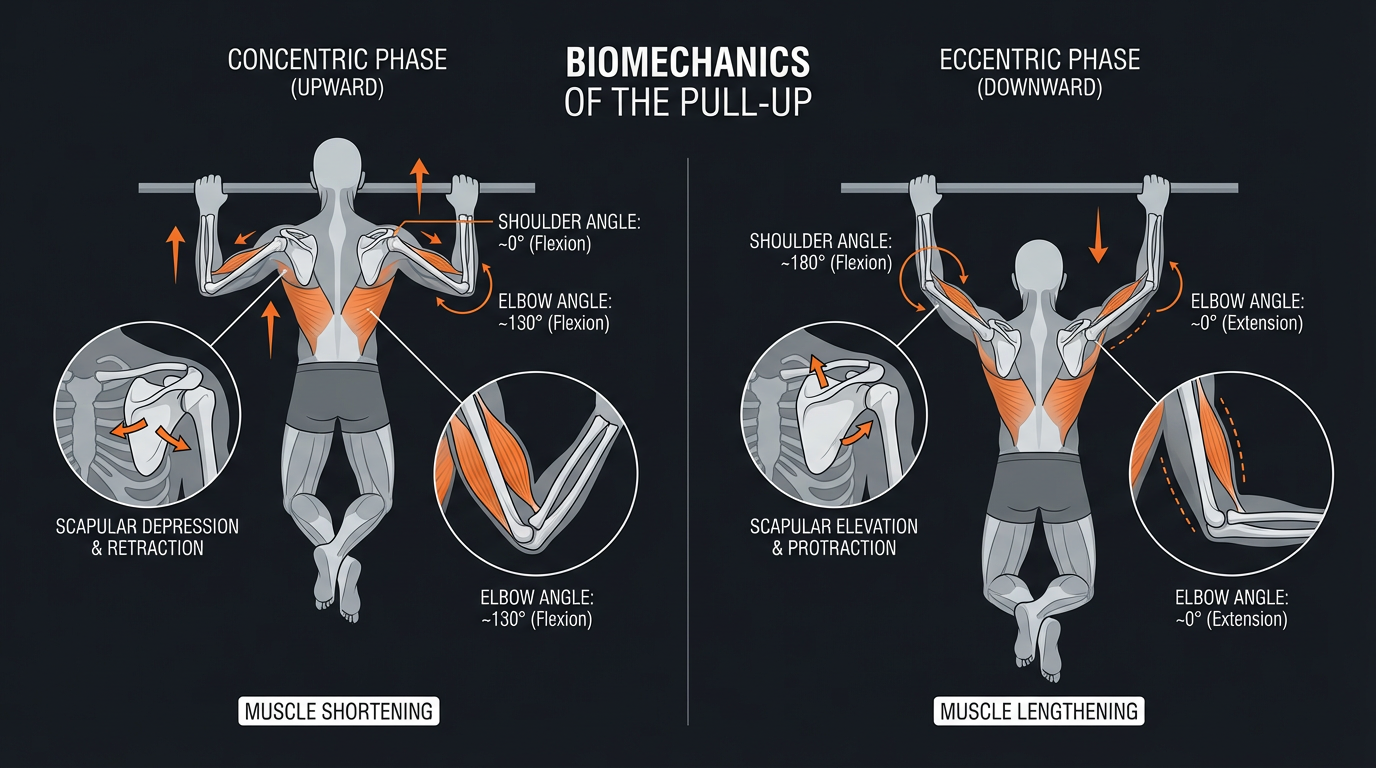
Step-by-Step Guide to Performing L-Sit Pull-Ups
- •Start by hanging from a pull-up bar with your hands shoulder-width apart.
- •Engage your core and lift your legs into an L-position, forming a 90-degree angle with your torso.
- •While maintaining the L-position, pull yourself up until your chin clears the bar.
- •Slowly lower yourself back to the starting position.
Remember, execution should be slow and controlled to maximize the benefits. In the beginning, you might find it challenging to keep your legs straight – bend your knees slightly if needed, and work towards fully extending them over time.
Benefits of L-Sit Pull-Ups
L-Sit Pull-Ups are not just another exercise; they are a comprehensive test of your physical fitness. Here are some of the notable benefits:
1. Core Activation
Unlike traditional pull-ups, which primarily target the upper body, L-Sit Pull-Ups put significant strain on your abdominal muscles, making them a fantastic exercise for core activation.
2. Improved Back Strength
The pulling motion coupled with the leg lift adds an extra layer of difficulty to traditional pull-ups, making your latissimus dorsi work even harder.
3. Enhanced Flexibility and Mobility
Maintaining the L-Sit position requires hamstring flexibility and hip mobility, both of which are often neglected in traditional strength training programs.
Common Questions and Concerns
Q: How often should I incorporate L-Sit Pull-Ups into my routine?
A: Aim to include them in your routine 2-3 times per week. Start with 2-3 sets of as many reps as you can manage and gradually increase as you become more proficient.
Q: Are L-Sit Pull-Ups suitable for beginners?
A: While challenging, beginners can still benefit from modified versions. For instance, try performing L-Sit Pull-Up negatives where you focus only on the downward movement. This will help build the necessary strength gradually.
Conclusion
L-Sit Pull-Ups are an exceptional exercise that harmoniously combines core strength and back power in a single movement. By including this challenging yet rewarding exercise in your fitness routine, you can enjoy a myriad of benefits such as improved muscle coordination, enhanced flexibility, and a rock-solid core.
If you’re looking to elevate your workout game, L-Sit Pull-Ups are the way to go. Start incorporating them into your regimen today and experience the transformative power of this elite exercise.
Ready to take the plunge? Commit to mastering L-Sit Pull-Ups and witness a noticeable improvement in your overall fitness. Don't forget to share your progress and tips with our fitness community!
Frequently Asked Questions
- What muscles do L-sit pull-ups work?
- L-sit pull-ups hit your lats, biceps, and rear delts like regular pull-ups, but the held L-position adds intense work for your hip flexors, quads, and entire core. Your abs are under constant isometric contraction throughout every rep. It's essentially two exercises in one.
- How do I work up to L-sit pull-ups?
- First master regular pull-ups (at least 8-10 reps) and a 15-second hanging L-sit separately. Then combine them starting with a tuck position (knees bent at 90 degrees) before extending to full straight legs. Most people need 4-6 weeks of transition work.
- Why can't I keep my legs straight during L-sit pull-ups?
- Tight hamstrings and weak hip flexors are the usual culprits. Work on hamstring flexibility with pike stretches and strengthen your hip flexors with hanging leg raises. Also, your core might not be strong enough yet to maintain the position under fatigue.
- Are L-sit pull-ups better than regular pull-ups?
- They're harder and require more core engagement, but not necessarily "better." If your goal is pure back development and heavier loading, regular or weighted pull-ups are more effective. L-sit pull-ups are best used as a core-intensive variation in your rotation, not your only pull-up exercise.