Building Muscle on Keto: Is it Possible and How to Do It
Read our comprehensive guide on building muscle on keto: is it possible and how to do it.
 Jeff·Aug 20, 2024·3 min read
Key Takeaways
- You can build muscle on keto just fine if you eat enough protein and lift heavy weights consistently.
- Aim for 0.8 to 1.2 grams of protein per pound of body weight and focus on quality sources like beef, chicken, eggs, and fish.
- Resistance training with compound movements like squats, deadlifts, and bench press is still the foundation for muscle growth on keto.
- Consider trying targeted keto where you eat some carbs around workouts or cyclical keto with planned refeed days to boost performance.
- Make sure you're eating enough total calories and getting proper electrolytes to avoid feeling weak and maintain your training intensity.
Get a Free AI Coach on WhatsApp
Ask questions, get workout plans, and track your progress — all from WhatsApp.
Message Your CoachFor many fitness enthusiasts, the ketogenic diet offers numerous benefits, including enhanced fat loss and improved mental clarity. However, skepticism remains about whether building muscle on keto is within reach. This article explores the possibilities and provides practical tips on how to achieve muscle growth while adhering to a ketogenic lifestyle.
Understanding the Ketogenic Diet
The ketogenic diet is a high-fat, moderate-protein, and low-carbohydrate diet designed to shift the body's metabolism from burning glucose to burning fats, a state known as ketosis. Ketosis leads to the production of ketones, an alternative fuel source for the body.
While traditional muscle-building diets emphasize carbohydrates for energy, the keto diet turns this concept on its head. The key question is: can you still build muscle while restricting carbohydrates?
The Science Behind Building Muscle on Keto
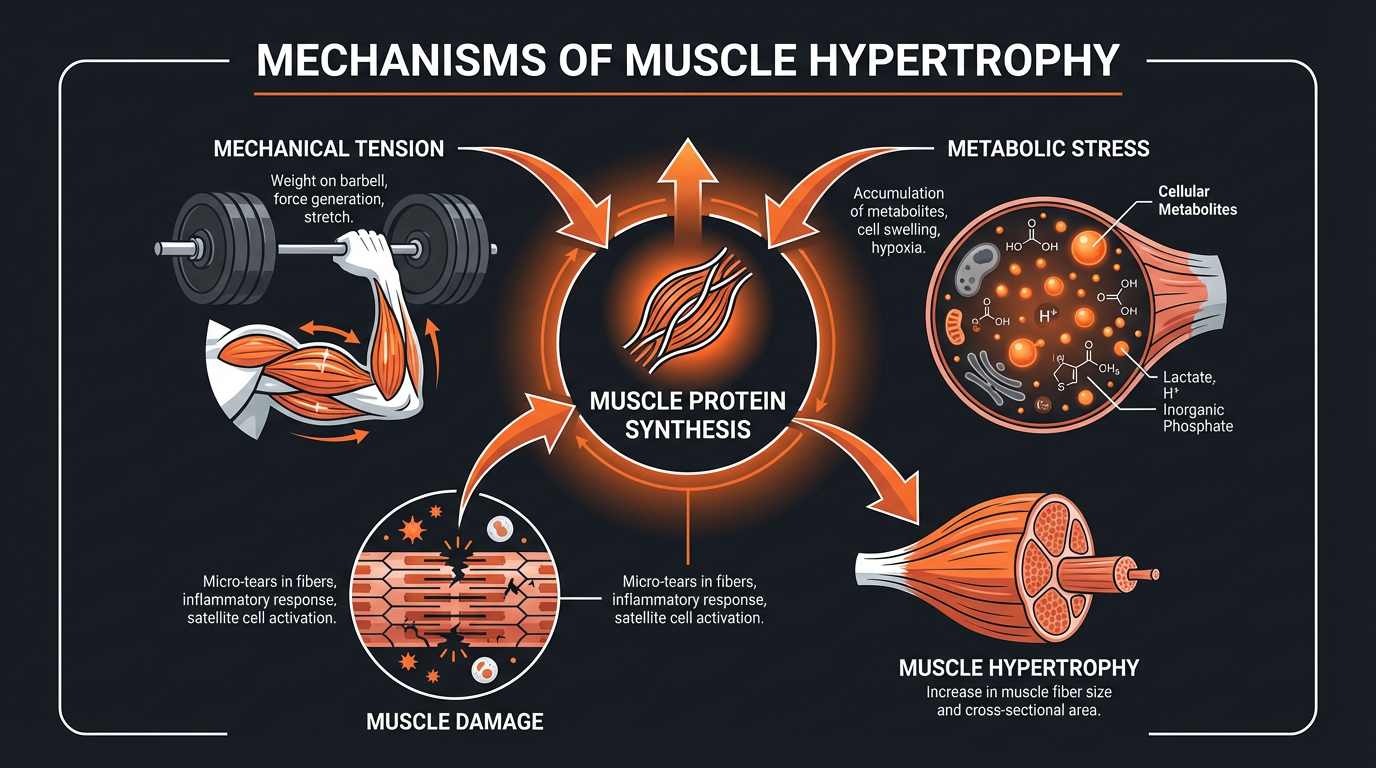
To build muscle, the body needs a *positive nitrogen balance*, sufficient protein intake, and adequate calories. Current research suggests it's possible to achieve these on a ketogenic diet. A study published in the Journal of the International Society of Sports Nutrition found that participants on a keto diet experienced no significant difference in muscle hypertrophy compared to those on a high-carb diet.
However, adequate protein intake is crucial. The recommended daily allowance (RDA) for protein can vary, but general guidelines suggest 0.8-1.2 grams of protein per pound of body weight for those engaging in regular resistance training.
Optimizing Your Keto Diet for Muscle Growth
Prioritize High-Quality Protein Sources
To ensure muscle growth, focus on consuming high-quality protein sources that provide essential amino acids needed for muscle repair and growth. Examples include:
- •Grass-fed beef
- •Poultry
- •Eggs
- •Fish and seafood
- •High-quality protein powders
Incorporate Resistance Training
Resistance training is a cornerstone for muscle building. It stimulates muscle fibers, leading to hypertrophy. Some effective exercises include:
- •Squats
- •Deadlifts
- •Bench presses
- •Pull-ups
- •Rowing exercises
Consider Targeted Ketogenic Diet (TKD) or Cyclical Ketogenic Diet (CKD)
Adapting your keto approach can also help in muscle building. Two popular variations include:
Targeted Ketogenic Diet (TKD): Involves consuming a small number of carbs before or after workouts to boost performance and recovery.
Cyclical Ketogenic Diet (CKD): Alternates periods of low-carb eating with carb refeeding to replenish glycogen stores and support muscle growth.
Common Concerns and How to Address Them
A common concern is the *potential loss of muscle mass* due to low carbohydrate intake. However, when followed correctly, the keto diet can be muscle-sparing. Ensure you consume enough calories to maintain a slight caloric surplus and meet your protein requirements.
Another issue is the initial drop in energy levels. Electrolyte balance is essential here. Incorporating foods rich in sodium, potassium, and magnesium can help combat the "keto flu" and maintain performance levels.
Conclusion and Call-to-Action
In conclusion, building muscle on keto is indeed possible with the right approach. Focus on adequate protein intake, incorporate resistance training, and consider modifying your ketogenic protocol to suit your needs.
If you're ready to start your journey towards muscle growth on a ketogenic diet, why not begin today? Tailor your meal plans, track your progress, and embrace this unique approach to fitness. Consult a nutritionist or fitness expert to create a personalized plan that will help you achieve your goals.
Remember, consistency is key. Stick to your regimen, monitor your results, and make adjustments as needed. Building muscle on keto is a journey worth undertaking!
'''
Frequently Asked Questions
- Can you build muscle on a keto diet?
- You can, but it's harder than with carbs. Keto limits your training intensity for high-rep work since your muscles rely on glycogen for sets longer than about 30 seconds. You'll need to be extra diligent about protein intake and accept that progress may be 10-20% slower.
- How much protein should you eat on keto for muscle building?
- Aim for 1g per pound of bodyweight, same as any muscle-building diet. Don't worry about protein kicking you out of ketosis. That's a myth based on misunderstanding gluconeogenesis, which is demand-driven, not supply-driven.
- Why do my workouts feel harder on keto?
- Your muscles use glycogen (from carbs) as their primary fuel for intense lifting. On keto, you have very limited glycogen stores, which means sets above 8-10 reps feel brutal. This is normal and usually improves slightly after 4-6 weeks of adaptation.
- Should I do targeted keto (TKD) for lifting?
- If you want to stay keto but train hard, TKD is a smart compromise. Eating 20-30g of fast-digesting carbs 30 minutes before your workout gives you enough glycogen for intense training without ruining ketosis for the rest of the day.