Strength Training Myths Debunked: Separating Fact from Fiction
Read our comprehensive guide on strength training myths debunked: separating fact from fiction.
 Jeff·Aug 19, 2024·4 min read
Key Takeaways
- Lifting weights won't make you bulky unless you're specifically training and eating for massive muscle growth over years.
- You can build strength and muscle with lighter weights and higher reps, not just heavy lifting.
- Strength training actually helps your joints when done with proper form and can reduce arthritis pain.
- Older people should definitely lift weights because it prevents bone loss and keeps them mobile and strong.
- Focus on perfect form and consistency over how much weight you're moving.
Get a Free AI Coach on WhatsApp
Ask questions, get workout plans, and track your progress — all from WhatsApp.
Message Your Coach'''html
# Strength Training Myths Debunked: Separating Fact from Fiction
Strength training is a crucial component of a balanced fitness regimen. Despite its many benefits, there are numerous myths and misconceptions that often deter individuals from incorporating it into their routine. This article, Strength Training Myths Debunked: Separating Fact from Fiction, aims to dismantle these myths and provide you with the facts about strength training.
Myth 1: Strength Training Will Make You Bulky
One of the most pervasive myths around strength training—especially among women—is that it will make you bulky. This is far from the truth. Building substantial muscle mass requires a specific regimen, diet, and often, years of training. Most strength training routines, particularly those focused on general fitness, will help you develop lean muscle. This not only enhances your appearance but also increases your metabolism.
Fact: Strength training enhances muscle tone, improves metabolism, and promotes fat loss. According to the Journal of Applied Physiology, strength training increases resting metabolic rate, allowing you to burn more calories even when at rest.
Myth 2: You Need to Lift Heavy Weights to See Results
Another common misconception is that you need to lift heavy weights to see real progress. While lifting heavy can indeed build strength, it’s not the only path to success. Strength gains can be achieved with lighter weights and higher repetitions. Furthermore, form and consistency are critical components of any successful strength training regimen.
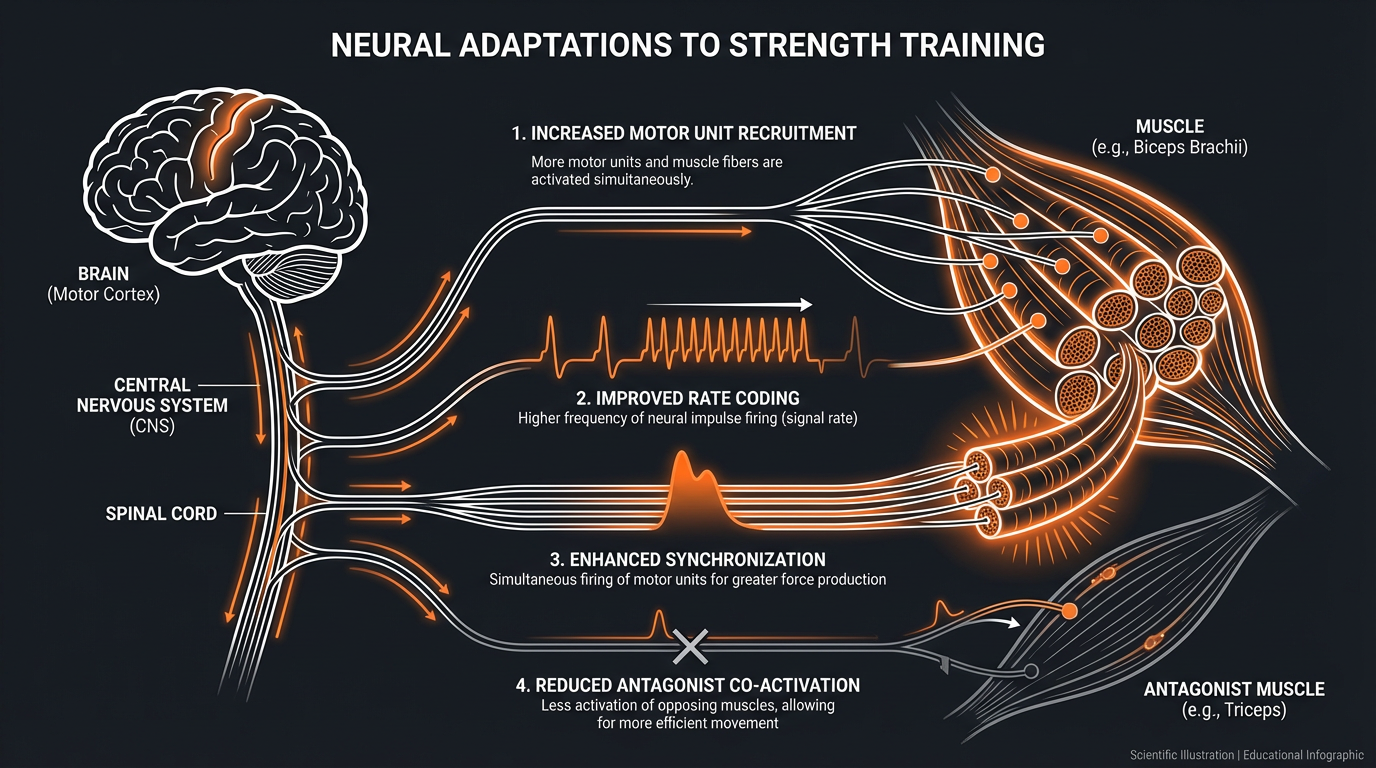
Fact: Lighter weights with high repetitions can also lead to strength gains and muscle endurance. As highlighted by the American Council on Exercise, even low-load, high-repetition training can significantly improve muscle hypertrophy and neuromuscular adaptations.
Myth 3: Strength Training Is Only for Young People
There’s a common perception that strength training is the domain of the young, but this could not be further from the truth. Strength training is beneficial for people of all ages and can be particularly important for older adults. It helps in maintaining muscle mass, improving balance, enhancing mobility, and preventing bone density loss.
Fact: Older adults can greatly benefit from strength training. Studies from the Mayo Clinic show that it can improve bone density, reduce the risk of osteoporosis, and improve overall quality of life for seniors.
Myth 4: Strength Training Is Bad for Your Joints
Contrary to the belief that strength training is detrimental to joint health, the reality is that it can actually improve joint function and reduce pain associated with arthritis. Proper technique and progressive overload are key to reaping these benefits while minimizing any risks.
Fact: When done correctly, strength training can enhance joint health. According to research published in the Arthritis Foundation, it can help alleviate symptoms of arthritis and improve functional performance.
Practical Tips for Effective Strength Training
- •Start Slow: Begin with light weights and gradually increase as your strength improves.
- •Focus on Form: Ensure you’re performing exercises correctly to prevent injury.
- •Consistency is Key: Make strength training a regular part of your weekly routine.
- •Rest and Recover: Allow time for muscles to recover to prevent overtraining.
- •Seek Professional Guidance: A certified trainer can create a personalized plan that suits your goals and fitness level.
Conclusion
In conclusion, this article on Strength Training Myths Debunked: Separating Fact from Fiction has clarified some of the common misconceptions surrounding strength training. By understanding the truth, you can confidently incorporate strength training into your fitness routine and enjoy its numerous benefits. Whether you are young or old, a beginner or an advanced lifter, strength training can improve your overall health and quality of life.
If you found this article helpful, share it with friends and family. For more tips and insights on fitness, subscribe to our newsletter!
Meta Description: Discover the truth about strength training as we debunk common myths and separate fact from fiction. Learn how strength training can benefit everyone.
Tags: strength training, fitness myths, workout tips, health benefits, muscle building, joint health, older adults fitness
'''
Frequently Asked Questions
- Does lifting heavy weights make you bulky?
- No, and this is the most persistent myth in fitness. Getting bulky requires years of dedicated training, a calorie surplus, and often favorable genetics. Lifting heavy just makes you stronger and more defined -- you won't accidentally turn into a bodybuilder.
- Is it true that muscle turns to fat when you stop lifting?
- Muscle and fat are completely different tissues -- one cannot turn into the other. What actually happens is you lose muscle from not training and gain fat from eating the same amount with less activity. They're two separate processes happening at the same time.
- Do you need to feel sore after a workout for it to count?
- Soreness means your muscles experienced something new, not that the workout was effective. Plenty of great workouts won't make you sore at all, especially once your body adapts. Progressive overload, not soreness, is the actual indicator of progress.
- Should women train differently than men?
- Nope. The same movements and principles work for everyone. Women produce less testosterone so they won't bulk up the same way, but they respond to progressive overload, compound movements, and periodization identically. The exercises don't need to change.
- Is it bad to lift weights every single day?
- Lifting the same muscles every day is counterproductive because they need 48-72 hours to recover and grow. But training different muscle groups daily is fine -- that's basically what a 5 or 6 day split does. Just don't skip rest days entirely.